Anxiety and depression levels are significantly reduced within the first few months of cessation, which means these withdrawal symptoms will decrease automatically, as well.[17] The Centers for Disease Control and Prevention (CDC) (2022) explains withdrawal symptoms that one may experience, and ways to manage them, including:[18] Urges/Cravings Medications to quit Avoiding triggers and cues to smoke (people one smokes with, places one smokes, activities one frequently does while smoking) Remind oneself why one is quitting Irritability/Anger Deep breaths Meditation Therapy Restlessness Physical activity Reducing caffeine intake Difficulty Concentrating Limiting activities with strong concentration for a short period of time Recognizing that this is an effect of nicotine withdrawal Trouble Sleeping Reducing caffeine, especially near bedtime Taking off nicotine patches at least an hour before sleeping Reducing electronic device usage Adding physical activity during the daytime Building a sleep schedule Excessive Hunger/Weight Gain Snacking smart Physical activity Anxiety or Depression Symptoms Physical activity Scheduling and organization Social interactions Rewarding yourself Speaking to a healthcare provider If one is experiencing nicotine dependence and comorbid psychiatric illnesses, or having severe difficulty with quitting nicotine due to withdrawal symptoms, it is important to reach out to a licensed mental health professional (e.g., a psychotherapist, psychologist or psychiatrist) or healthcare provider for guidance and support
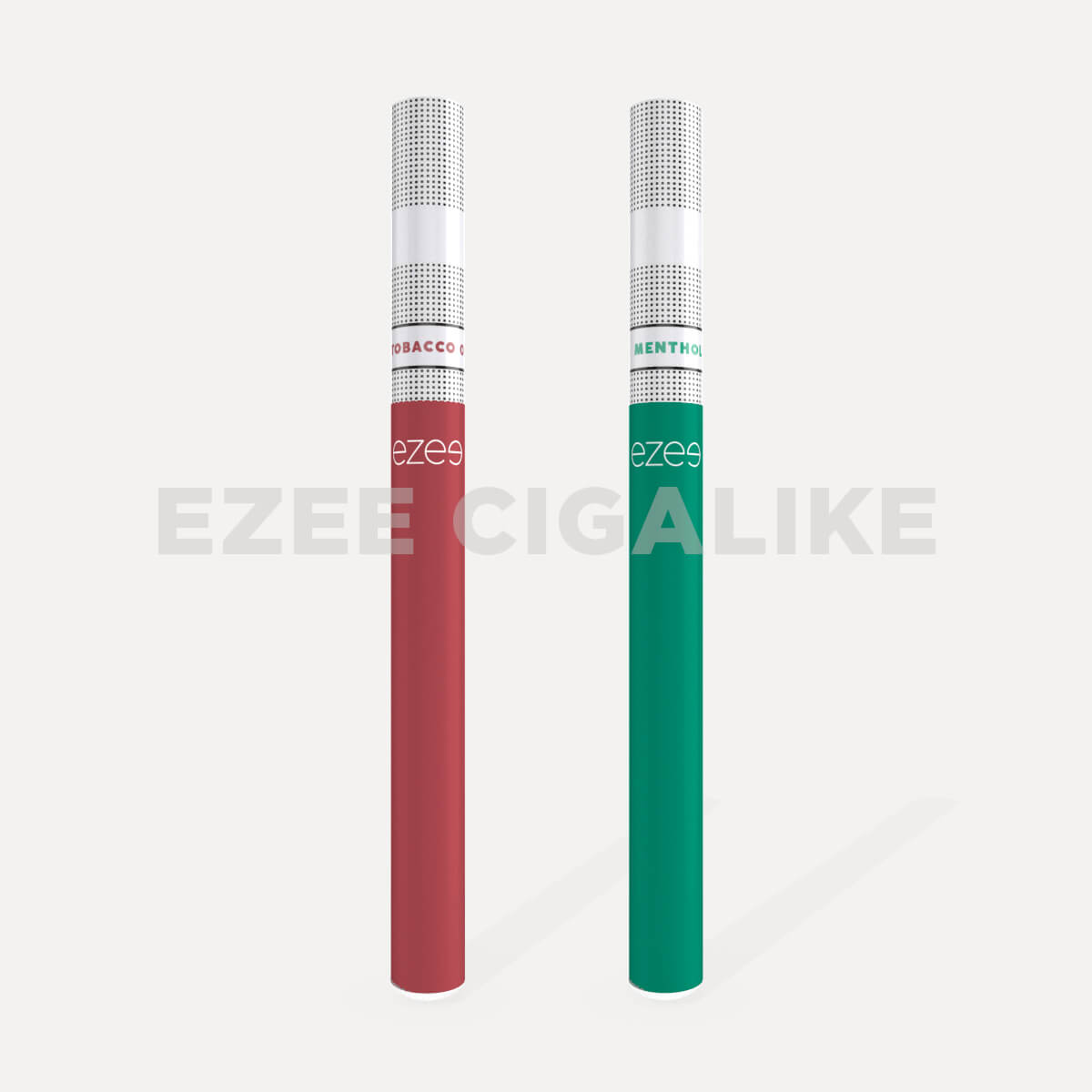
E-Liquid, sometimes also called vape juice, is made up predominantly of PG (Propylene Glycol) and VG (Vegetable glycerine), and then has flavourings, water (in some cases) and nicotine added although there are some E-Liquids that contain no nicotine
Here are some of the reasons why custom-printed cigarette cartons are highly picked by brands: A standard cigarette carton is designed to hold at least 10 packs of cigarettes , each containing up to 20 cigarettes
[10] Breakdown by age revealed the age range between 16 and 17 had highest prevalence (13.6%), followed by the 14 to 15 age range (4.6%), and the 12 to 13 age range (1.2%)
When people crowded into cities, things tended to get worse






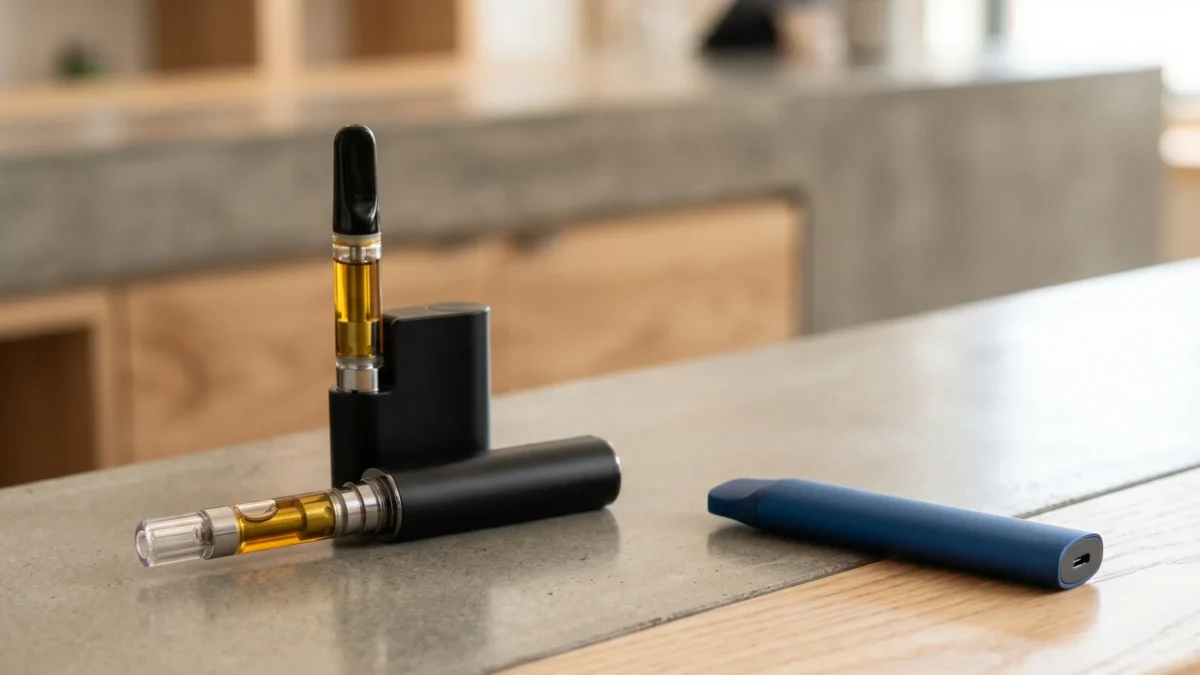


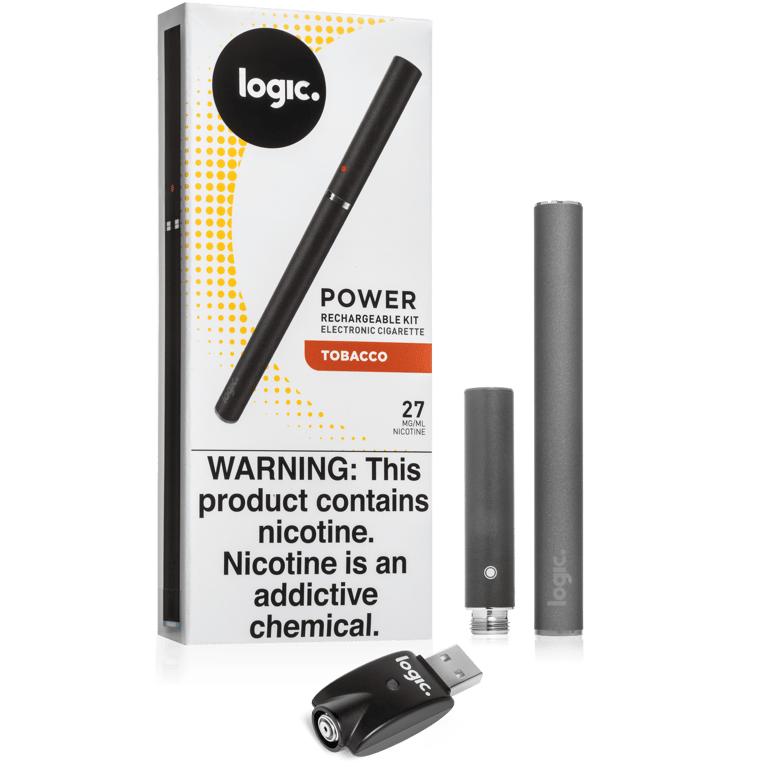

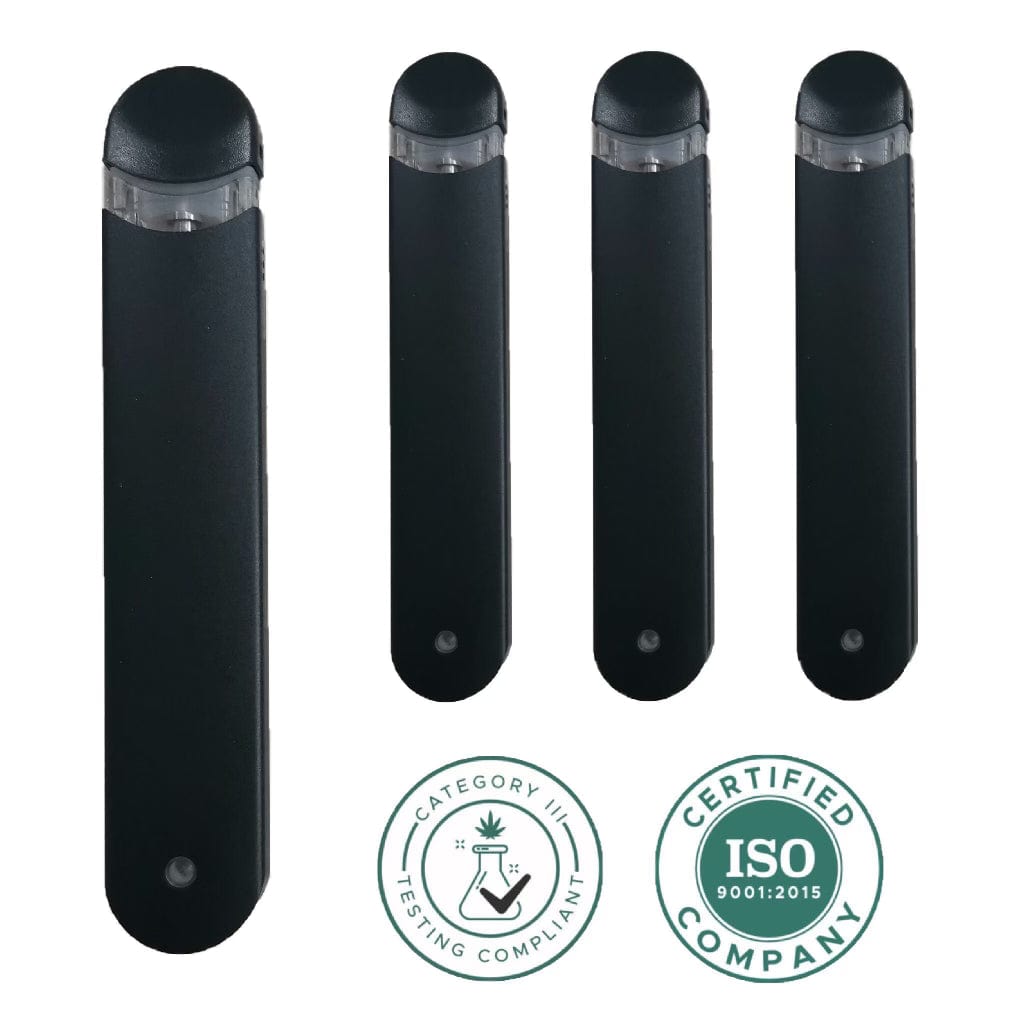



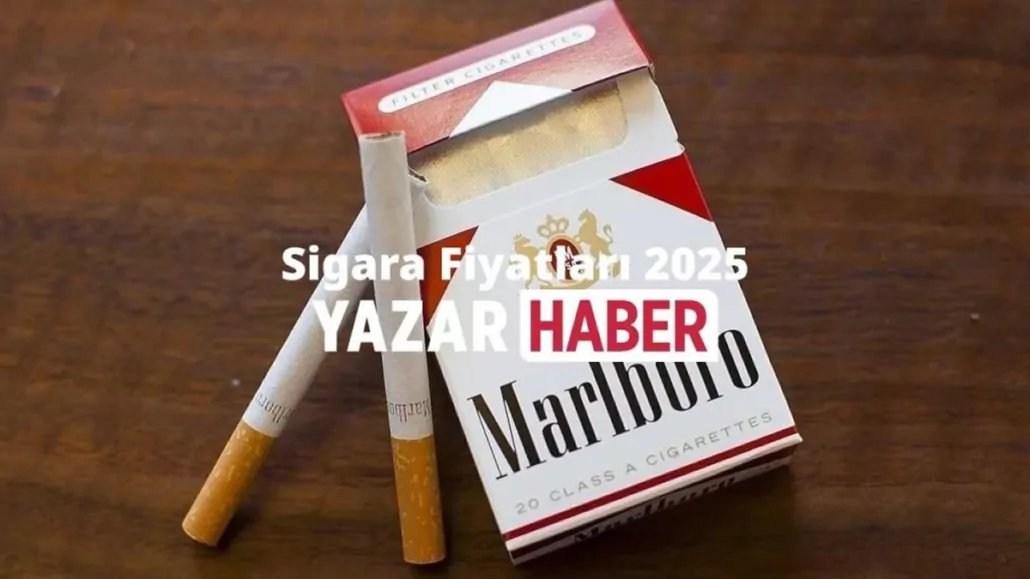


![Average price of a pack of Marlboro cigarettes in European capitals [ОС] : r/MapPorn](https://preview.redd.it/average-price-of-a-pack-of-marlboro-cigarettes-in-european-v0-i6j17ec06vf91.jpg?width=640&crop=smart&auto=webp&s=f3a8b76108fc320db7fb0415cd01748ab73756f4)